Bonded & Insured
Newbury Park, CA

Insulation Contractor in Newbury Park, CA for Cooler Attics & Lower Bills

In Newbury Park, a 95°F September afternoon can push your attic past 140°F, and your AC ducts are sitting in that heat. Then the same house drops into the low 40s overnight and leaks heat through the ceiling. Most homes here were built between the 1960s and the 1980s. Their original R-11 to R-19 insulation has packed down over the years, roof rats have tunneled through it, and HVAC and solar crews have trampled it. True Cost Insulation fixes the attic itself. We remove what's failed, seal the gaps, and install insulation that holds up through hot afternoons, cold nights, and Santa Ana season.

We've insulated Conejo Valley homes since 2005, so we know how the attics differ from one neighborhood to the next. A low-pitch 1960s ranch in Casa Conejo or Lynn Ranch needs different work than a two-story tile-roof home in Dos Vientos Ranch with ducts, recessed lights, and an air handler packed into the attic. We know which streets fall under the Thousand Oaks Building Division and which are under Ventura County. We also know how WUI fire rules affect vent replacements near open space and what your HOA will want to see.

  • Serving Newbury Park since 2005
  • Bonded
  • Fully insured
  • Financing available
Free Estimate

Request Your Free Estimate

No obligation. Fast, honest quotes.

Prefer to talk? Call (805) 793-1310 — your details are never shared.

Credentials & Certifications BondedInsuredFinancing Available
What We Do

Insulation Services for Newbury Park Homes

Every project starts in your attic or crawl space, not with a generic quote. We match the material and method to how your home was built, what's wrong with it, and what you want to get out of the upgrade, whether that's comfort, lower bills, cleaner air, or fire hardening.

★ Specialty

Attic Insulation

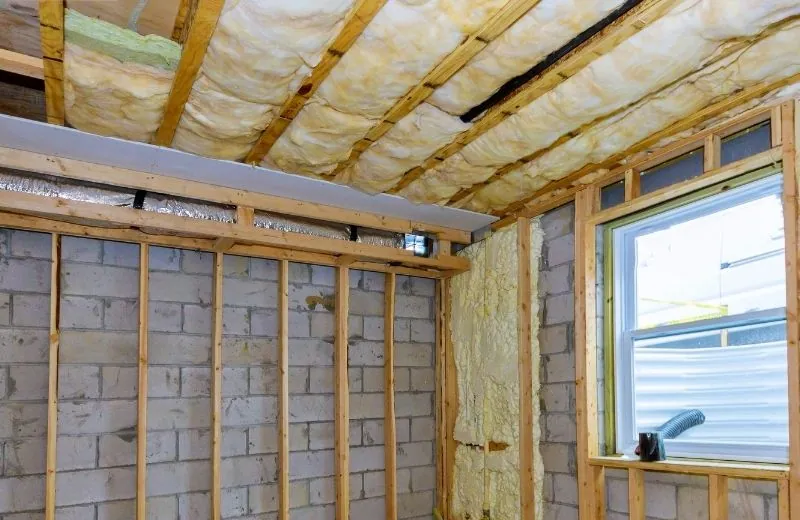
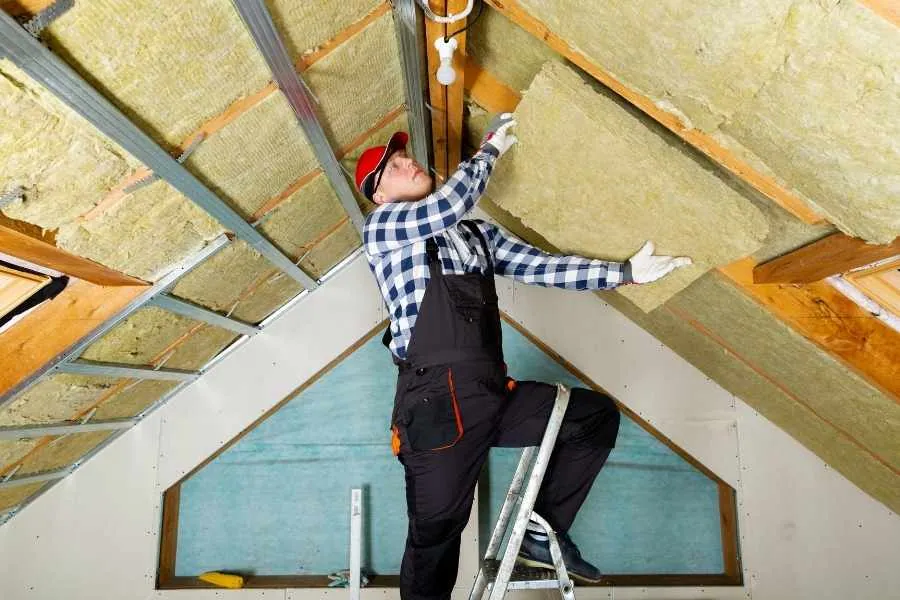
We bring underperforming attics up to modern levels, typically R-38 to R-49. That includes air sealing, baffles, hatch insulation, and careful work around ducts, cans, and equipment so the coverage stays even and doesn't leave gaps.

Air sealing comes first. Then we install loose-fill or batts to measured depth markers, keep eave vents clear with baffles, and keep insulation the required distance from heat sources and non-IC fixtures.

In Newbury Park's 1960s–80s ranch homes, this is the biggest single comfort upgrade you can make. Bringing a 140°F attic over attic ductwork up to Climate Zone 9 levels cuts heat gain during heat waves and reduces heat loss on cold valley nights.

Best for: Owners of older homes with thin or compacted insulation, high SCE bills, back rooms that won't cool, or a heat pump installation coming up.

Explore
★ Specialty

Spray Foam Insulation

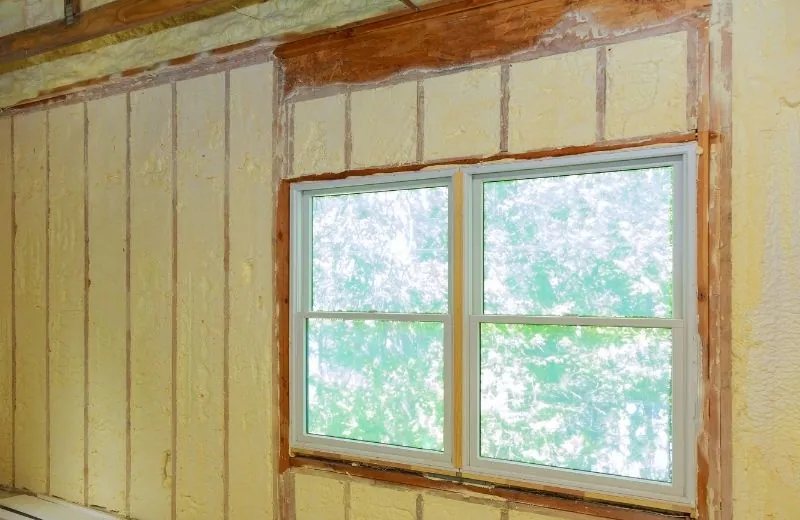
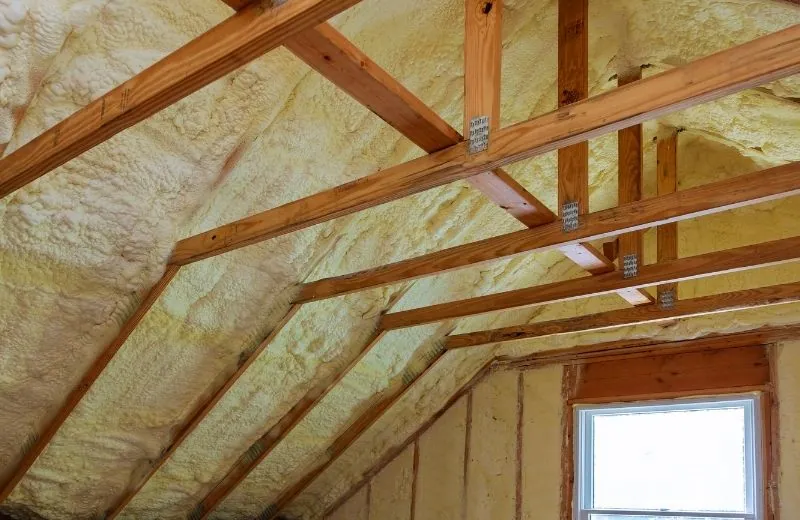
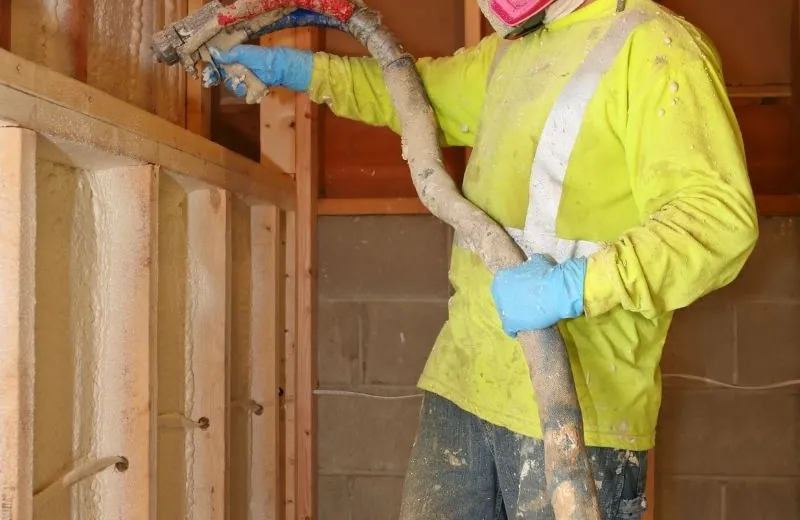
We apply open- or closed-cell spray polyurethane foam to roof decks, walls, rim areas, and hard-to-reach cavities. It insulates and air seals in one step.

We choose open-cell or closed-cell based on the assembly, check ventilation and code requirements, protect finished surfaces, and apply in measured passes. Where the code requires it, we apply ignition or thermal barrier coatings.

It works well in complex Dos Vientos attics, where encapsulating the roof deck brings the ducts and air handler inside the conditioned space. It's also a good fit for bonus rooms over garages and cathedral additions with limited cavity depth. Near open space, we review WUI considerations before making a recommendation.

Best for: Homes with attic HVAC equipment, vaulted or tight-framed ceilings, rooms over garages, and owners who want the most air sealing per inch.

Explore

Blown-In Insulation

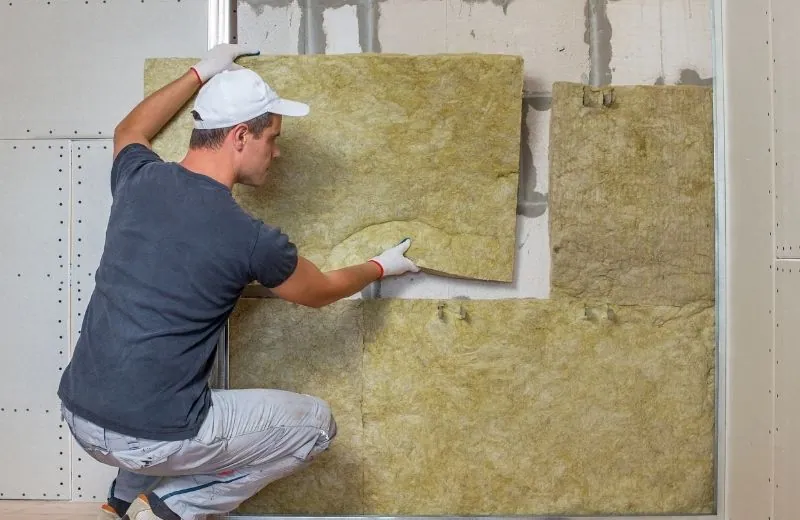
We install loose-fill fiberglass or cellulose to fill attics evenly, cover irregular framing, and top off existing layers that are still in good condition.

We calibrate the machines to the manufacturer's coverage charts, install depth rulers, and blow material to a uniform depth. When wall cavities are accessible, we dense-pack them to reduce settling.

Blown-in is the most cost-effective upgrade for Newbury Park's low-pitch tract attics off Borchard, Reino, and Wendy, where cramped, uneven framing makes batts hard to fit without leaving gaps.

Best for: Clean attics that need more depth, homes with older batts that are still intact, and budget-conscious upgrades that still hit R-38 or higher.

Explore

Insulation Removal

We vacuum out contaminated, wet, smoke-damaged, or failed insulation, then clean the attic so new material goes onto a sanitary surface.

We use commercial vacuum extraction with sealed bagging, plastic sheeting and negative-pressure practices, PPE, and sanitizing and deodorizing treatment. Waste is disposed of properly. Suspect asbestos material is tested before we disturb anything.

In Newbury Park, removal is usually about roof rats. Droppings and urine-soaked insulation near the canyons and greenbelts can't be covered up. It has to come out, along with debris left over from old smoke events and Santa Ana winds.

Best for: Attics with rodent contamination, lingering odors, water damage, or smoke residue, or homes being prepped for a full re-insulation.

Explore

Insulation Replacement

This is a complete removal-and-replacement package. We remove the old material, sanitize, air seal, and re-insulate to current standards in one coordinated project.

We sequence removal, cleaning, sealing of entry points with your pest provider, air sealing, baffles, and new insulation so each step builds on the one before it. Then we document the final depth and coverage.

This is the go-to fix for 50-year-old Lynn Ranch, Casa Conejo, and Ventu Park attics where rodents, compaction, and past trade work have left insulation that can't be saved.

Best for: Homeowners who want a clean, rodent-free, properly sealed attic rather than another layer on top of a problem.

Explore

Crawl Space Insulation

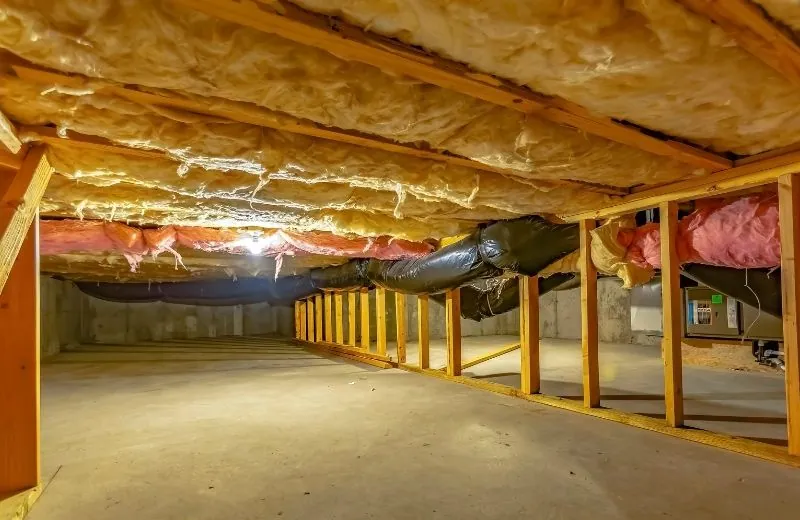
We insulate under-floor areas, crawl spaces, and floors over unconditioned spaces to stop cold floors and drafts and to reduce the moisture and pest entry that come with them.

We install fitted batts with proper supports, rigid board, or spray foam at rim joists. We seal penetrations and vents to keep rodents out and fit vapor control to the space.

Most Newbury Park homes sit on slabs, but hillside lots, raised additions, and some custom homes near Hidden Valley and Conejo Oaks have crawl spaces. Cold valley nights make uninsulated floors noticeably chilly.

Best for: Raised-floor additions, hillside homes, and rooms over garages or unconditioned areas with cold floors in winter.

Explore

Insulation Installation

We handle general insulation installation for walls, garage ceilings, additions, remodels, and new framing, with the R-value and air barrier details your project calls for.

We install batts, blown, or spray products based on cavity depth and code. We coordinate with your general contractor's schedule and document R-values for Title 24 and inspection purposes.

This is common during Newbury Park kitchen and ADU projects, garage conversions, and room additions permitted through Thousand Oaks or Ventura County. Open walls are the best chance to insulate the exterior walls of 1960s homes.

Best for: Remodels, ADUs, additions, garage conversions, and any project with open walls or ceilings.

Explore
Know The Signs

Common Insulation Problems in Newbury Park Homes

These are the problems we find most often in Newbury Park attics, crawl spaces, and garage ceilings. Some just cost you money every month. Others affect your health or your home's fire safety. Knowing why each one happens here makes it easier to choose the right fix.

Rodent-Contaminated Attic Insulation Serious

Roof rats and mice nest in loose-fill insulation and fiberglass batts. They leave droppings, urine, and tunnels behind. Contaminated insulation smells, loses most of its R-value, and can carry pathogens such as hantavirus. Adding new material on top of it doesn't fix any of that.

Why it's common here

Newbury Park backs up to oak woodland, chaparral, and open space in nearly every direction. Roof rats travel along fences, ivy, and overhanging trees, then get in through gaps at the eaves, damaged vents, and roof-to-wall joints. Older low-pitch attics stay warm and dry and nobody goes up there for years, which makes them ideal nesting spots. We find active or old infestations in a large share of the attics we inspect, especially in homes near the canyons and greenbelts.

Signs you'll notice
  • Scratching or scurrying overhead at night
  • Musty or ammonia-like odor in upstairs rooms or closets
  • Droppings near the attic hatch or on stored items
  • Tunnels or flattened trails through the insulation
  • Chewed wiring, duct wrap, or vent screens
  • Pest control has trapped rodents but the smell won't go away
Local patterns

This is most common in homes that back onto open space along the Potrero Road and Rancho Sierra Vista edge, in Conejo Oaks, and in Lynn Ranch and Casa Conejo homes with mature trees. Activity tends to pick up in fall and winter, when rodents look for warm shelter.

Our fix: Full vacuum removal under containment, then sanitizing and deodorizing the attic. We seal entry points with your pest control provider, air seal the ceiling, and install fresh insulation to R-38 or higher.

Thin, Compacted 1960s–80s Attic Insulation Moderate

These are original fiberglass batts or loose fill installed at roughly R-11 to R-19. After decades of settling, foot traffic, and moisture cycles, they now perform even lower than that. With bare joists showing and coverage this thin, the ceiling lets heat in all summer and out all winter.

Why it's common here

Most Newbury Park tracts were built under energy rules far weaker than today's Title 24. Over 50 years the material settles and gets pushed aside by every cable install, re-roof, and HVAC changeout. Because the attic runs 130 to 150°F in summer and drops toward 40°F on winter nights, a thin layer can't slow either one down. The result is a high SCE bill in August and a high SoCalGas bill in January.

Signs you'll notice
  • Joist tops visible across the attic floor
  • Ceilings feel warm to the touch on summer afternoons
  • AC runs nonstop during heat waves
  • Rooms at the back of the house never cool down
  • Winter heating bills jump after cold nights
  • Insulation looks gray, matted, and only a few inches deep
Local patterns

We see this all over the Borchard Road corridor, the Wendy Drive and Reino Road area, Ventu Park, and Old Conejo, where many single-story ranch homes still have their original 1960s and '70s insulation.

Our fix: Air seal the ceiling plane first. Then blow in fiberglass or cellulose to R-38 or higher, add baffles where needed, and insulate and weatherstrip the attic hatch.

Leaky, Uninsulated Attic Ductwork Serious

These are supply and return ducts in the attic with separated joints, crushed runs, or deteriorated wrap. Cooled air leaks into a 140°F attic before it gets to your rooms, and hot, dusty attic air gets pulled into the return.

Why it's common here

Nearly every Newbury Park home has its forced-air ducts in the attic. Older flex duct and duct board break down in the summer heat. Remodels, solar installs, and service visits often knock duct connections loose without anyone noticing. Across every era of home here, the ducts are the single biggest source of energy loss. Replacing ducts usually triggers Title 24 HERS verification.

Signs you'll notice
  • Weak airflow from certain registers
  • Dust buildup around supply grilles
  • Upstairs rooms several degrees warmer than downstairs
  • Disconnected or sagging flex duct in the attic
  • AC cycles constantly but never quite cools the house
Local patterns

This is common in two-story Dos Vientos Ranch homes with long attic duct runs, and in older Rancho Conejo and Kelley Estates homes where the original duct systems have never been replaced.

Our fix: We inspect the ducts, reconnect and seal accessible joints, and bury or wrap ducts in insulation. When ducts are replaced, we coordinate with your HVAC contractor so the job meets Title 24 and HERS requirements.

Air Leaks That Let In Smoke and Santa Ana Dust Moderate

These are gaps at recessed lights, top plates, plumbing and wiring penetrations, attic hatches, and soffit chases. They let unconditioned attic air, dust, and wildfire smoke into your living space. Insulation alone doesn't stop air from moving through them.

Why it's common here

Santa Ana winds put pressure on the house, which forces fine dust and ash through every unsealed opening. During smoke events from nearby wildfires, people often notice the smell indoors even with their windows closed. Older can lights and unsealed top plates are common in homes from every decade here.

Signs you'll notice
  • Fine dust lines around ceiling fixtures or on carpet edges
  • Smoke odor indoors during fire events
  • Drafts near the attic hatch or can lights
  • Dark streaks on insulation above light fixtures
  • Air purifiers struggle during wind events
Local patterns

This shows up after every Santa Ana season. It's worst in homes on the western edge and in Dos Vientos, which are exposed to canyon winds coming over the Conejo Grade and Boney Mountain.

Our fix: Seal top plates and penetrations with foam and fire-rated caulk. We add IC-rated covers or retrofit kits at recessed lights and gasket the attic hatch before insulating.

Insulation Disturbed by Solar, HVAC, or Remodel Work Minor

Insulation gets pushed into piles, crushed into walkways, or pulled back from the eaves while other trades work in the attic. That leaves bare spots, which act like open windows in your ceiling.

Why it's common here

Many Newbury Park homeowners have added rooftop solar, heat pumps, EV circuits, or remodels in recent years. Each of those jobs means someone crawling through the attic, and very few crews put the insulation back where it was. Tile roofs and cramped attics make careful work even harder.

Signs you'll notice
  • Bare patches around the attic hatch or air handler
  • Compressed walkway paths across the attic
  • Insulation piled against the eaves and blocking vents
  • New conduit runs with gaps on both sides
  • Comfort got worse after a recent project
Local patterns

We see this often in Dos Vientos Ranch and Rancho Conejo homes with newer solar arrays, and in older Lynn Ranch and Casa Conejo homes after heat pump conversions.

Our fix: We regrade and top off the disturbed areas, restore baffles at the eaves, and keep defined access paths open so future service visits won't damage the insulation again.

Suspected Asbestos or Vermiculite in Older Attics Emergency

Pebbly gray-brown vermiculite loose fill, old duct wrap, and popcorn ceilings in homes built before about 1980 may contain asbestos. Disturbing them without testing can release fibers into the house.

Why it's common here

A large part of Newbury Park was built in the 1960s and '70s, when these materials were common. Because homeowners tend to stay for a long time, many of these original materials have never been tested. Abatement is overseen by Ventura County air quality regulators, so it has to be handled correctly.

Signs you'll notice
  • Lightweight, granular gray-gold fill between the joists
  • Chalky white or gray wrap on older ducts
  • Original textured popcorn ceilings
  • Home built before about 1980 with no record of testing
  • Crumbling or brittle material near the attic hatch
Local patterns

We find suspect material most often in early Casa Conejo, Old Conejo, Ventu Park, and Borchard-area homes from the 1960s and '70s.

Our fix: Stop work and don't disturb the material. We arrange testing. If it comes back positive, licensed abatement has to be completed before we remove or replace any insulation.

Hot Rooms Over Garages and Cathedral Additions Moderate

These are bonus rooms over garages, garage-to-house walls, and vaulted additions that have little or no insulation and few air barriers. They run 10 degrees hotter or colder than the rest of the house.

Why it's common here

In Newbury Park's tract homes, the rooms over garages and the later add-ons usually have tight framing and limited attic space. Builders often installed thin batts that have since sagged. Unconditioned garages here get very hot in summer and cold on winter nights, so these rooms feel every one of those swings.

Signs you'll notice
  • Bonus room is unbearable on summer afternoons
  • Cold floors over the garage in winter
  • Garage exhaust or odors in the house
  • Window AC units added just to make the room usable
  • Visible gaps in the garage ceiling drywall
Local patterns

This is common in two-story homes in Kelley Estates, Rancho Conejo, and Dos Vientos, and in older ranch homes in Lynn Ranch that have family-room or vaulted additions.

Our fix: Dense-pack or spray foam the enclosed cavities, insulate the garage ceiling and shared walls, and air seal between the garage and the house.

Transparent Pricing

How Much Does Insulation Cost in Newbury Park?

Insulation costs in Newbury Park depend mostly on what's already in your attic. A clean attic that just needs more depth costs far less than one that has to be emptied and sanitized first. Here's what affects pricing, along with some typical local ranges.

Typical Project

Blown-in top-off in a clean attic

Single-story Lynn Ranch ranch home, about 1,500 sq ft attic, R-19 to R-38, basic air sealing and hatch insulation

$2,200 – $4,200
Typical Project

Rodent cleanup and full replacement

Casa Conejo or Borchard-area home, about 1,600 sq ft, removal, sanitizing, air sealing, new blown-in to R-38+

$5,500 – $10,500
Typical Project

Spray foam roof-deck encapsulation

Two-story Dos Vientos home, about 1,800 sq ft of roof deck with attic ducts and air handler

$9,000 – $18,000
Typical Project

Bonus room over garage or crawl space

Garage ceiling and shared walls or raised-floor addition, batts or spray foam plus air sealing

$2,000 – $6,000
Removal and Contamination Primary Factor

Whether the old insulation can stay is the biggest cost variable. If it's clean, we can often top it off. If roof rats have contaminated it, or if it's smoke-damaged or wet, it has to be vacuumed out, bagged, and the attic sanitized before anything new goes in. Removal and cleaning can roughly double the cost of a project, and that's common in Newbury Park homes near open space.

Attic Size and Target R-Value Primary Factor

Square footage and how much depth you're adding determine how much material you need. Going from about R-11 to R-38 takes a lot more material than going from R-30 to R-38. Most single-story Newbury Park homes have 1,200 to 2,000 square feet of attic. Larger two-story Dos Vientos homes can have more, along with multiple separate attic areas.

Material Choice Secondary Factor

Blown-in fiberglass or cellulose is usually the lowest cost per R-value for open attic floors. Batts fall in the middle. Spray foam costs much more per square foot, but it insulates and air seals at the same time, and it can bring attic ducts inside the conditioned space. Your attic's layout and goals should drive the choice.

Access and Attic Complexity Secondary Factor

Low-pitch 1960s attics, small hatches, tile roofs, solar conduit, attic air handlers, and dense duct runs all slow the work down. Tight, hot attics take more labor time. Homes with several separate attic areas or rooms over garages need extra setup.

Air Sealing, Permits, and Code Items Variable Factor

Sealing recessed lights, top plates, and the hatch adds cost, but it's where much of the comfort and air quality improvement comes from. Permits, HERS verification when ducts are involved, ember-resistant vent upgrades in fire zones, and asbestos testing in pre-1980 homes may also apply.

Financing is available, so you can take care of a contaminated or under-insulated attic now and pay over time. Ask us for details during your free consultation. A sealed, properly insulated attic reduces AC runtime during heat waves, makes cold nights more comfortable, keeps smoke and dust out, and adds value at resale. Utility or state incentives may lower your net cost when they're available.

Local Expertise

Why Newbury Park Homes Need Better Insulation

Newbury Park has hot afternoons, cool nights, wildfire exposure, and a lot of 50-year-old housing. Together, those conditions are hard on attics. Here's what we see when we're up in them, and why a quick top-off often doesn't solve the problem.

Big Temperature Swings, Hot Attics, and Santa Ana Winds

Newbury Park sits 700 to 1,000 feet up at the west end of the Conejo Valley. Summer highs usually reach the mid-80s to low 90s, and heat waves regularly go past 100°F. In a poorly vented attic, the air can hit 130 to 150°F, right where most homes run their supply ducts. On winter nights the valley floor drops into the upper 30s, and day-night swings of 25 to 35°F are normal. That means your house gains heat all afternoon and loses it all night. From fall through winter, Santa Ana winds blow dust, ash, and smoke in through every unsealed gap in the ceiling. The area is generally treated as Title 24 Climate Zone 9, which calls for R-38 attic insulation in new construction. Most older homes here have half that or less.

A Housing Stock Built Between 1960 and 1990

Most of Newbury Park was built between the early 1960s and the late 1980s, after the Janss master plan. Older tracts off Borchard Road, Reino Road, Wendy Drive, and Ventu Park Road are mostly single-story stucco ranch homes on slabs, with low-pitch roofs and vented attics. Many 1960s and '70s homes have walls with little or no insulation and single-pane aluminum windows. Homes built before about 1980 may contain popcorn ceilings, vermiculite, or old duct wrap that has to be tested for asbestos before anyone disturbs it. Homes in Kelley Estates and Rancho Conejo, built in the 1980s, are better insulated but still fall short of current code. Dos Vientos Ranch homes, built in the 1990s and 2000s, have larger attics with more going on: recessed cans, attic HVAC equipment, and long duct runs where air leaks and gaps in coverage are common.

Permits, Title 24, Fire Zones, and HOAs

Newbury Park is part of the City of Thousand Oaks, so most permits go through the Thousand Oaks Building Division. Unincorporated pockets such as parts of Casa Conejo go through Ventura County Building and Safety instead. Title 24 Part 6 covers insulation alterations. When ducts are replaced or HVAC equipment is changed, the duct sealing usually has to be verified by a third-party HERS rater. Much of the area is mapped as a Very High Fire Hazard Severity Zone, so ember- and flame-resistant vents under CBC Chapter 7A and CRC R337 come into play when vents or eaves are replaced. HOAs, especially in Dos Vientos, mainly care about how vents and staging look from the street.

Homeowners Who Plan to Stay

Most Newbury Park homes are owner-occupied and have had the same owners for a long time. Some are original buyers aging in place. Others are young families who moved in for Conejo Valley schools. Most aren't looking for the cheapest bid. They want lower SCE and SoCalGas bills, cleaner indoor air during smoke events, protection from wildfire, and a home that's ready for heat pumps and solar. Many also ask about utility and TECH Clean California incentives. Those programs change often, so we check what's currently available when we quote your project.

True Cost Insulation Insulation Contractor in Newbury Park, CA project in Newbury Park, CA (1)
Newbury Park, CA
True Cost Insulation Insulation Contractor in Newbury Park, CA project in Newbury Park, CA (2)
21+ Years
Talk to a Local Expert
The True Cost Insulation Difference

Why Newbury Park Homeowners Choose True Cost Insulation

Local Attic Experience Since 2005

We've been working in Conejo Valley attics since 2005. That's long enough to know that a 1964 ranch in Casa Conejo and a 2002 two-story in Dos Vientos need completely different approaches. We know which tracts tend to have low-pitch, hard-to-reach attics, which streets back onto rat-heavy open space, and where solar and HVAC crews usually leave a mess. That experience helps us diagnose the real problem in one visit and recommend only what your home actually needs.

Bonded and Insured for Your Protection

True Cost Insulation is bonded and insured. That matters when crews are working in your attic, walking joists above your finished ceilings, and running equipment through your home. If something unexpected happens, you're protected. We're glad to provide proof of bonding and insurance before any work starts. We encourage you to ask every contractor you're considering for the same thing. Newbury Park homeowners check credentials carefully, and we think they should.

Insulation Is All We Do

We focus on insulation work: attic insulation, spray foam, blown-in, crawl spaces, removal, and full replacement. Because insulation is our specialty and not an add-on to some other trade, we pay attention to the details that decide whether an upgrade actually works. That means air sealing before insulating, baffles at the eaves, clearance around fixtures, and even depth across the whole attic. A thick layer laid over leaky top plates won't stop Santa Ana dust or smoke, and we don't take shortcuts like that.

Honest, Itemized Pricing

Our name reflects how we quote. You get an itemized proposal that shows what each part of the job costs, including removal, sanitizing, air sealing, and new material, so you can compare options and decide for yourself. We'll tell you when a simple top-off makes sense and when removal is the only real fix. We don't pressure you with upsells, and the price doesn't change partway through the job.

Code-Aware, Including Title 24 and Fire Zones

Title 24, HERS duct verification, WUI vent standards, Thousand Oaks versus Ventura County jurisdiction: none of this should land on the homeowner. We explain which rules apply to your project, pull permits when the scope requires them, and coordinate inspections. Near open space along the western edge and in Dos Vientos, we take fire-rated materials and ember-resistant details into account when we plan the work.

Respect for Your Home and Your Time

Our crew communicates clearly, shows up when we say we will, protects your floors and belongings, and cleans up every day. Before we leave, we walk you through before-and-after photos so you can see what was done in an attic you'll probably never climb into. Whether it's a small update or a full removal and replacement, we keep the process simple from start to finish, and we stand behind our work.

Flexible Financing Options

A full attic replacement is a real investment, and rodent problems or heat waves don't wait for a convenient time. We offer financing so you can take care of the problem now instead of putting up with another summer of high SCE bills. We'll also help you look into current utility or state incentives that might lower your cost.

Simple & Transparent

How an Insulation Project Works with True Cost Insulation

We keep things simple. You'll know what we found, what we recommend and why, what it costs, and when we'll be done before any work starts in your home.

Free Consultation and Attic Inspection

About 45–90 minutes, usually scheduled within the week
  • We measure the existing insulation depth and estimate the current R-value
  • We check for rodent activity, moisture, and disturbed areas
  • We look over duct condition, air leaks, and recessed lighting
  • We note any suspect asbestos material in pre-1980 homes

Local note: We confirm whether your address falls under Thousand Oaks or Ventura County and whether it's in a mapped fire hazard zone.

Clear Written Proposal

Usually within 1–2 business days
  • Photos of what we found
  • Options with target R-values and materials
  • An itemized price with no vague allowances
  • Permit, HERS, and incentive notes where they apply

Local note: If HOA approval is needed for exterior vent changes, we'll point that out up front.

Scheduling and Prep

Typically 1–2 weeks out, depending on permits
  • Pull permits when the scope requires them
  • Coordinate with your pest control, HVAC, or solar contractors
  • Confirm the work schedule and the access path through your home

Local note: In summer, we plan attic work for the morning, before the attic heats up.

Installation Day

1 day for most top-offs; 2–3 days for removal and replacement
  • Protect floors, furniture, and the hatch area
  • Remove and sanitize if needed
  • Air seal, install baffles, and install insulation to depth markers
  • Daily cleanup and walkthrough

Local note: We work carefully around tile roofs, solar conduit, and attic air handlers.

Final Review and Documentation

Same day as completion
  • Show you before-and-after photos
  • Confirm depth and coverage
  • Schedule any required inspection or HERS verification
  • Explain how to keep the attic in good shape going forward

Local note: We'll give you the documentation you need for rebate applications and future home sales.

Trusted Locally

Trusted by Newbury Park Homeowners Since 2005

Serving Newbury Park Since
2005
Newbury Park, CA

Newbury Park homeowners choose us for clear communication, careful work, and honest pricing. We'd be glad to show you what we can do in your attic.

20 mi
Service Radius
7
Insulation Services Offered
$0
Cost for a Consultation
BondedInsuredFinancing Available
Where We Work

Areas We Serve in and Around Newbury Park

We're based in Newbury Park, and most of our work is in its neighborhoods. We serve homes within about 20 miles, from the Conejo Grade to Westlake Village, so neighbors across the Conejo Valley get the same local know-how.

Western Newbury Park and Open-Space Edge

Dos Vientos RanchPotrero Road / Rancho Sierra Vista edgeCasa ConejoConejo Oaks

Central and Eastern Newbury Park

Lynn RanchBorchard Road corridorWendy Drive / Reino Road areaKelley EstatesRancho ConejoVentu Park and Old Conejo

Greater Conejo Valley

Wildwood (Thousand Oaks)Lang Ranch (Thousand Oaks)Westlake VillageHidden Valley

We serve homes within roughly a 20-mile radius of Newbury Park. If you're not sure whether you're in range, call us and we'll confirm. Not sure if we cover your area? Call (805) 793-1310.

Find Us

Serving Newbury Park, CA & Nearby

3475 Old Conejo Rd, Newbury Park, CA, 91320 · Monday - Sunday: 7AM - 7PM

Dos Vientos RanchPotrero Road / Rancho Sierra Vista edgeCasa ConejoConejo OaksLynn RanchBorchard Road corridorWendy Drive / Reino Road areaKelley EstatesRancho ConejoVentu Park and Old ConejoWildwood (Thousand Oaks)Lang Ranch (Thousand Oaks)Westlake VillageHidden Valley
Questions & Answers

Newbury Park Insulation FAQs

How much does attic insulation cost in Newbury Park?

Most Newbury Park homeowners spend about $2,200 to $4,200 to top off a clean 1,500 sq ft attic to R-38 with blown-in insulation. If the old insulation has to be removed because of rodents, smoke, or water damage, expect roughly $5,500 to $10,500 for removal, sanitizing, air sealing, and new insulation. Spray foam roof-deck projects in larger two-story homes often run $9,000 to $18,000. Attic size, access, and air sealing needs move these numbers up or down. We give you a free, itemized quote after inspecting the attic, and financing is available.

Do I need a permit to add or replace insulation in Newbury Park?

It depends on the scope. Newbury Park is part of the City of Thousand Oaks, so most permits go through the Thousand Oaks Building Division. Unincorporated pockets such as parts of Casa Conejo go through Ventura County Building and Safety. Insulation alterations fall under Title 24 Part 6. If ducts are replaced or HVAC equipment is changed, the duct sealing usually needs third-party HERS verification. Vent or eave replacements in mapped fire hazard zones must meet WUI standards. We'll tell you exactly what applies to your home before work starts and handle permits when they're required.

How long does an insulation project take?

Most blown-in top-offs take one day. A full removal and replacement in a typical Newbury Park home, including vacuum extraction, sanitizing, air sealing, and new insulation, usually takes two to three days. Spray foam jobs vary with size and prep, and occupied areas generally need some time to ventilate afterward. Permits or HERS inspections can add scheduling time. In summer we start attic work early in the morning, because the attic can get dangerously hot by mid-afternoon.

I found rat droppings in my attic. Can you just add insulation on top?

We don't recommend it. Roof rats and mice leave droppings and urine that hold odors and can carry pathogens. Their tunnels also cut the R-value of the existing insulation. Covering contamination traps the problem in your attic and wastes the new material. The right fix is to have your pest control provider deal with the active infestation and seal entry points. Then we vacuum out the old insulation, sanitize and deodorize the attic, air seal, and re-insulate. This is one of the most common jobs we do near the open space in Newbury Park.

How do I know when it's time to upgrade my insulation?

Look in your attic. If you can see the tops of the joists, the insulation is probably under R-19, and that's well below the R-38 used for new homes in Climate Zone 9. Other signs include an AC that runs nonstop during heat waves, upstairs or back rooms that won't cool, high winter gas bills, rodent noises or odors, and dust or smoke smell during Santa Ana events. If your home was built in the 1960s to 1980s and the attic has never been redone, it's worth getting a free inspection.

Is spray foam or blown-in insulation better for my home?

Both work well in the right place. Blown-in fiberglass or cellulose is the most cost-effective choice for open attic floors, which describes most single-story Newbury Park ranch homes. Spray foam costs more, but it insulates and air seals in one step. That makes it a strong fit for vaulted ceilings, rooms over garages, and complex Dos Vientos attics where encapsulating the roof deck brings the ducts and air handler into conditioned space. We'll recommend one based on your attic layout, budget, and goals, and we'll explain the tradeoffs either way.

Can insulation and air sealing help with wildfire smoke and fire safety?

Air sealing helps a lot with smoke. Sealing gaps at recessed lights, top plates, and the attic hatch cuts down on how much smoke and Santa Ana dust gets into your living space. Insulation alone isn't fire protection. But if your home is in a mapped fire hazard zone, any vent or eave replacements need to meet WUI standards for ember and flame resistance. When we work on homes near open space, we factor fire-rated materials and ember-resistant details into our recommendations.

How can I keep my new insulation performing for years?

Prevention starts with keeping critters out. Trim branches and vines away from the roofline, repair damaged vent screens, and keep up regular pest service. Any time solar, HVAC, or cable crews go into your attic, ask them to stay on the walkways and put back any insulation they move. Then check the attic yourself afterward. Don't store boxes on top of the insulation. Look in once or twice a year, especially after Santa Ana season, for droppings, compressed areas, or disconnected ducts. Catching problems early keeps repairs small.

Schedule Your Free Newbury Park Insulation Consultation

Don't wait for another heat wave, another high SCE bill, or another night of scratching in the ceiling. Let us check your attic and show you what we find.

  • A free in-home attic inspection with photos of what we find
  • An itemized proposal with clear options and no surprise charges
  • Honest advice on whether you need a top-off or full replacement
  • A bonded and insured crew that respects your home
  • Help with permits, Title 24, and fire zone requirements
  • Financing to fit your budget
  • Local experience in Newbury Park homes since 2005

We serve Newbury Park and surrounding Conejo Valley communities within about 20 miles, including Dos Vientos Ranch, Lynn Ranch, Casa Conejo, Thousand Oaks, and Westlake Village.

Bonded • Insured

Call (805) 793-1310 Free Estimate